





First Aid Kit vs. Emergency Kit: Your Family Should Have Both
You have bandages. You have bottled water. There’s probably a flashlight somewhere in the house.
So you’re prepared for an emergency… right?
Maybe.
One of the most common preparedness mistakes is assuming that a first aid kit and an emergency kit are the same thing. They’re not.
They serve two very different purposes—and in a real emergency, your family may need both.
First Aid Kit vs. Emergency Kit: What's the Difference?
Here’s the simplest way to think about it:
A first aid kit helps you take care of a person.
An emergency kit helps you take care of your household.
A first aid kit contains supplies you may need when someone is injured or suddenly becomes ill. An emergency kit contains supplies your household may need when normal services, utilities or transportation are disrupted.
Imagine two different scenarios.
Your child falls outside and badly scrapes their knee.
You reach for the first aid kit.
Now imagine a major storm causes a power outage and you need flashlights, water, food and other essentials.
You reach for the emergency kit.
And sometimes, of course, both situations happen at once.
That’s why having both matters.
What's Inside a First Aid Kit?
Your first aid kit is there for the everyday injuries—and the unexpected ones.
Depending on the size and needs of your household, it may include supplies such as:
- Adhesive bandages in different sizes
- Sterile gauze and dressings
- Roller and triangular bandages
- Medical tape
- Disposable gloves
- Scissors and tweezers
- Antiseptic supplies
- Cold packs
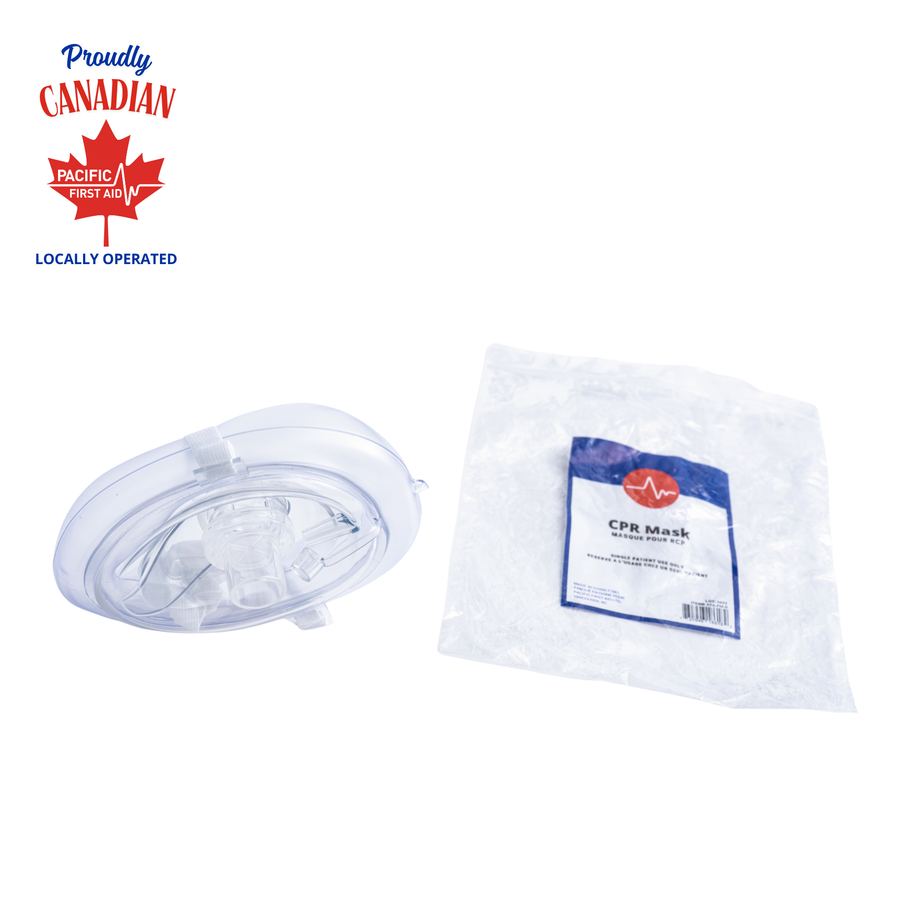
- CPR barrier device
- Emergency blanket
Your kit should also reflect your household.
A family with young children may have different needs than a household with older adults. If someone in your family has specific medical needs, consider what additional supplies should be readily accessible during an emergency.
And don't forget about location.
Having one beautifully organized first aid kit buried underneath a pile of boxes in the basement isn't particularly helpful when someone is bleeding in the kitchen.
Keep your kit somewhere that is easy for adults to find and access quickly, while keeping potentially hazardous items safely away from young children.
What's Inside an Emergency Kit?
An emergency survival kit is designed for a different problem.
Instead of treating an injury, you're preparing for a situation where you may temporarily lose access to things you normally rely on.
Think:
No electricity.
No running water.
Limited phone service.
Stores are closed.
You can't immediately leave home—or you need to leave quickly.
Your household emergency supplies may include things such as:
- Water
- Non-perishable food
- Flashlights
- Extra batteries
- Battery-powered or hand-crank radio
- Phone charging options or power banks
- Copies of important information
- Necessary personal and hygiene supplies
- Seasonal clothing or blankets
- Supplies for babies, children, older adults or pets
- Any essential items specific to your household
It's also worth preparing a smaller grab-and-go kit in case you need to leave home quickly.
The goal isn't to prepare for every possible disaster.
It's to make sure your family can manage the basics when everyday systems aren't available.
The Item Most People Forget: A Plan
You can buy every emergency supply imaginable and still be unprepared if nobody knows what to do.
Ask your family a few simple questions:
Where is our first aid kit?
Where are our emergency supplies?
Who grabs the emergency kit if we need to leave?
Where would we meet if we couldn't get back home?
Who is our out-of-area contact?
Do the kids know who to call in an emergency?
Does anyone in the household know first aid?
These aren't conversations meant to scare children—or adults.
They're meant to remove uncertainty.
When something unexpected happens, having already talked about what you'll do can make those first few minutes much easier to navigate.
Don't Forget Your Car
Your home isn't the only place where emergencies happen.
Consider keeping a separate first aid kit in your vehicle along with appropriate emergency supplies.
This becomes particularly important as we move into fall and winter.
A minor breakdown on a warm afternoon is very different from being stranded during cold or severe weather.
Your vehicle supplies may need to change with the seasons, so fall is a great time to check what's actually in your car.
Having the Kit Isn't the Same as Knowing How to Use It
This is the part that's easy to overlook.
You can have gauze, gloves and bandages sitting neatly in a first aid kit—but when someone is actually hurt, you still need to know what to do with them.
Imagine opening your kit and finding everything you need.
Now imagine someone beside you is bleeding heavily.
Would you know what to do first?
Or someone at dinner suddenly begins choking.
Would you recognize what's happening?
Would you know when to call 911?
Would you know what to do while you're waiting for help?
First aid supplies are tools.
Training teaches you how and when to use them.
And you don't need to know everything.
You just need to know what to do first.
Your 10-Minute Fall Preparedness Check
October is a great time to do a quick household reset before winter arrives.
Set a timer for 10 minutes and check:
Your first aid kit: Is anything missing, damaged, expired or already used?
Your emergency supplies: Do you have the essentials your household would need if normal services were interrupted?
Your car: Do you have first aid and seasonal emergency supplies?
Your family plan: Does everyone know where supplies are and what to do?
Your first aid skills: When was the last time you took a first aid course?
You don't need to become a survival expert.
You don't need a closet filled with emergency gear.
And you don't need to prepare for every possible scenario.
Start with the basics.
Build a first aid kit.
Build an emergency kit.
Make a family plan.
And learn the skills that can help you respond when someone needs you.
Because being prepared isn't about expecting something bad to happen.
It's about knowing that if something does, you have somewhere to start.
Be Ready for the Moments You Can't Plan
Pacific First Aid offers first aid training and supplies to help individuals, families and workplaces feel more prepared for everyday emergencies.
Whether you're refreshing your family's first aid kit or realizing it's been a while since your last course, fall is a great time to get prepared before winter arrives.
Explore Pacific First Aid training courses and first aid supplies to make preparedness part of your family's routine.
Learning first aid is one of the best ways to protect the people who matter most. Our Emergency First Aid, Standard First Aid, and Emergency Child Care First Aid courses teach practical, hands-on skills including:
- CPR for adults, children, and infants
- Choking rescue techniques
- Treating burns, cuts, and fractures
- Responding to medical emergencies